
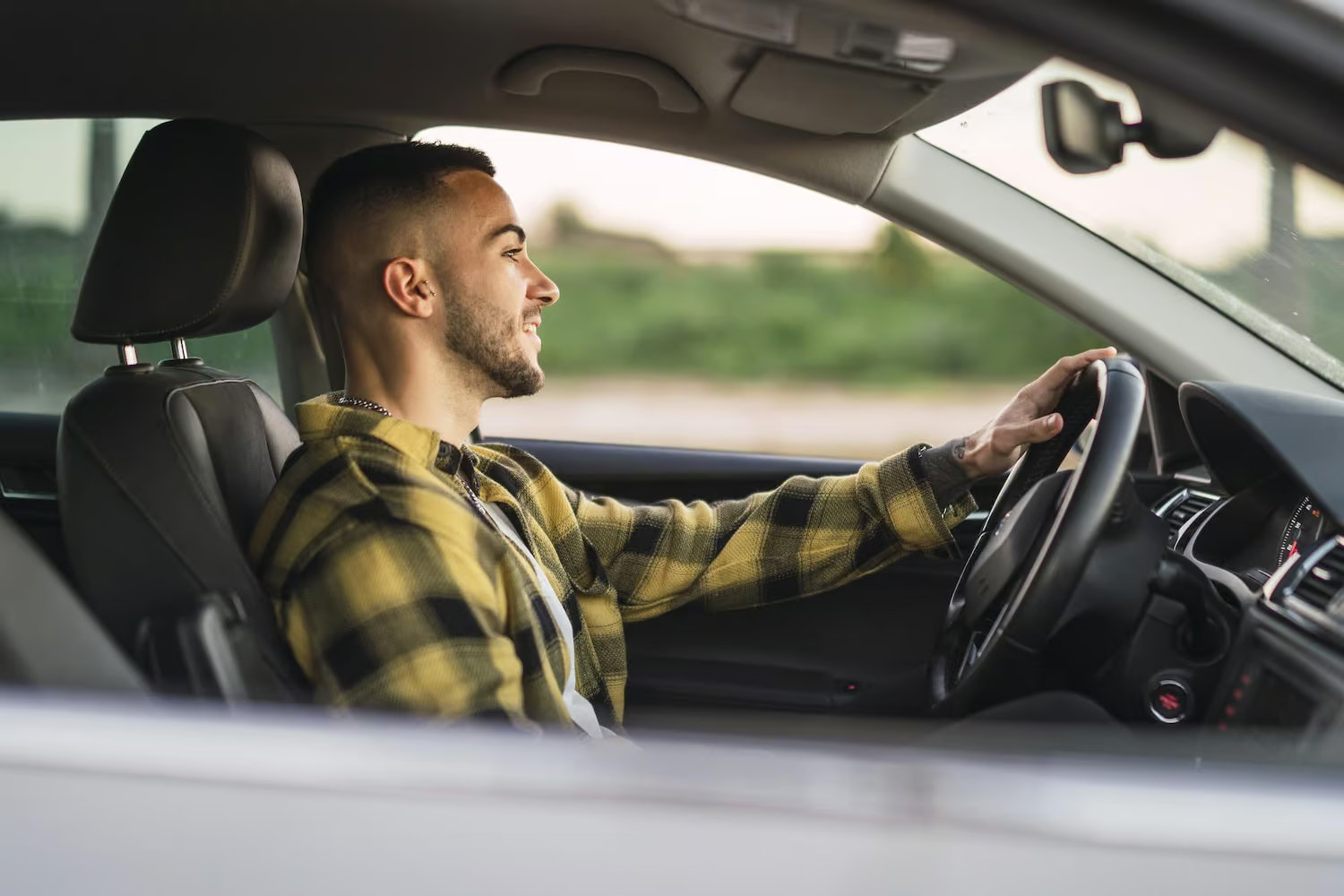
Driving in Albania is entirely possible for foreign workers, but the licence you can legally use, and for how long, depends on where you’re from — and getting this right from the start keeps you legal, insured, and safe on roads that can take some getting used to. If you’re relocating to Albania for work and plan to drive, a little preparation saves you from fines, insurance problems, or worse. Here are the six things every foreign worker should understand before getting behind the wheel.
What Foreign Workers Need to Know About Driving in Albania
The essentials come down to three things: having the right licence, carrying valid insurance, and knowing the local rules of the road. Albania drives on the right, its road rules are broadly European, and its driving culture can feel assertive to newcomers — so caution and preparation go a long way. Sorting out your paperwork early means you can focus on the road rather than worrying about whether you’re legal. Once you’ve settled into a job through a proper placement in Albania, driving can be a convenient way to get around, especially outside the cities.
1. Can You Drive on Your Foreign Licence?
For a short period, yes. Visitors and newcomers can generally drive on a valid foreign licence, and carrying an International Driving Permit (IDP) alongside it is strongly recommended — especially if your licence isn’t in the Latin alphabet, as it serves as an official translation. However, this is a temporary arrangement. Once you become a resident with a work and residence permit, you’re expected to convert to an Albanian licence rather than relying on your foreign one indefinitely. Don’t treat driving in Albania on a home licence as a permanent solution.
2. Converting Your Licence — It Depends on Your Country
This is the part that varies most, so check it carefully for your situation. Albania has bilateral agreements with a number of countries whose licences can be exchanged for an Albanian one without retaking any tests — this includes EU/EEA countries and a specific list of others such as the UK, USA, Canada, Australia, Turkey, Kosovo, North Macedonia, Serbia, and Montenegro. If your country is on that list, you exchange your licence through the DPSHTRR (the road transport directorate) with your residence permit, passport, a medical certificate, and a fee.
If your country does not have an agreement — which applies to many of the countries Albanian employers recruit from — you’ll need to complete the full Albanian licensing process, including a theory test (in Albanian) and a practical driving test. It’s important to know which category you fall into early, because the full process takes longer to plan for. A quick check with the DPSHTRR or your employer clarifies exactly what driving in Albania will require for your nationality.
3. Car Insurance Is Mandatory
When it comes to driving in Albania, insurance is non-negotiable. Third-party liability insurance (MTPL) is legally required before you drive any vehicle in Albania — it covers damage or injury you might cause to others, and driving without it carries serious penalties. Comprehensive insurance, which also covers your own vehicle, is optional but strongly recommended, especially given local driving conditions. Annual premiums vary widely by vehicle and cover. If you’ll be driving a car that isn’t yours, confirm it’s properly insured and that you’re covered to drive it before you set off.
4. The Road Rules You Must Know
A few rules catch newcomers out, so learn these before driving in Albania. The country drives on the right-hand side. Seatbelts are mandatory for all occupants, in every seat. The drink-driving limit is extremely low — effectively near-zero — one of the strictest in Europe, so simply don’t drink and drive. And in a rule that surprises many, dipped headlights are mandatory at all times, day and night, on all roads. Typical speed limits run around 40 km/h in towns, 80 km/h on rural roads, and up to 110 km/h on motorways, though always follow posted signs.
5. Driving Conditions and Staying Safe
Being legal is one thing; staying safe while driving in Albania is another. Albanian roads range from excellent modern motorways to narrow, winding rural routes, and driving styles can be more assertive than you may be used to. Watch for unpredictable overtaking, pedestrians, cyclists, and occasionally livestock on rural roads, and take extra care at night when some roads are poorly lit. Defensive, patient driving is the smart approach. If you’re new to these conditions, ease in gradually rather than tackling a long mountain drive on your first day.
6. Is Driving Even Necessary? Weigh Your Options
Before committing to a car, consider whether you need one. In Tirana and other cities, affordable buses and taxis cover daily needs, and many workers find they don’t need to drive at all — commuting is often easy and cheap without a car. Driving in Albania becomes genuinely useful mainly if you live somewhere less served by public transport, work irregular hours, or want the freedom to explore the country on your days off. Many employers also assist with transport for staff, so factor that in before taking on the cost and paperwork of a vehicle.
Build Your Life in Albania With Fenix Consulting
Whether or not you choose to drive, settling into a new country goes more smoothly with the right support behind you. Fenix Consulting & Recruiting connects foreign workers with legitimate, fully compliant employment across Albania and helps you get the practical details right — from your work permit to the everyday realities of life here.
Explore the industries we serve and our global sourcing network, then na kontaktoni to find a genuine opportunity and start building your career in Albania with confidence.
Fenix Consulting & Recruiting — licensed international recruitment connecting foreign workers with legitimate, fully supported employment across Albania. Driving and licensing rules are general guidance and change over time; confirm current requirements with the DPSHTRR before driving.